Storage Done Stylish
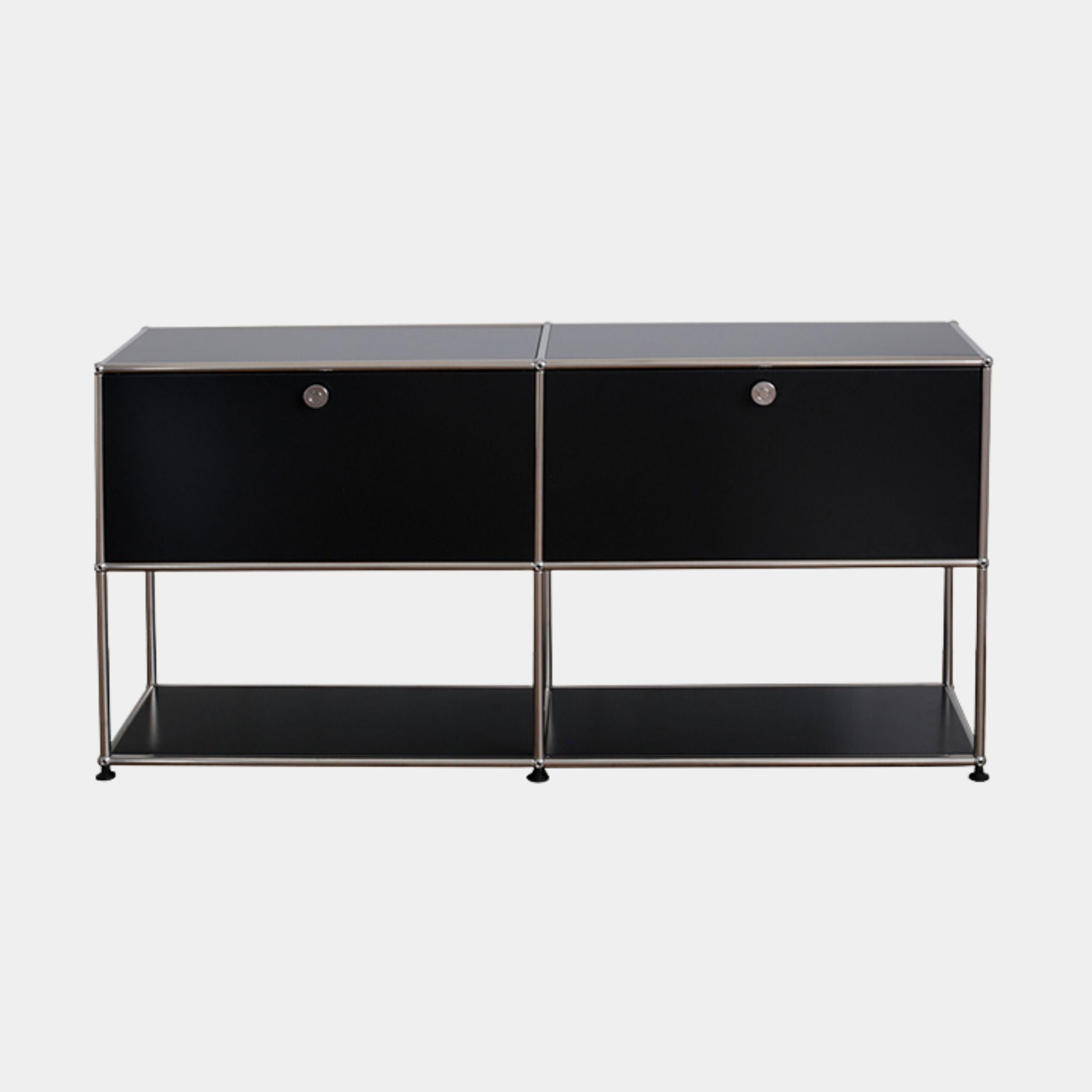
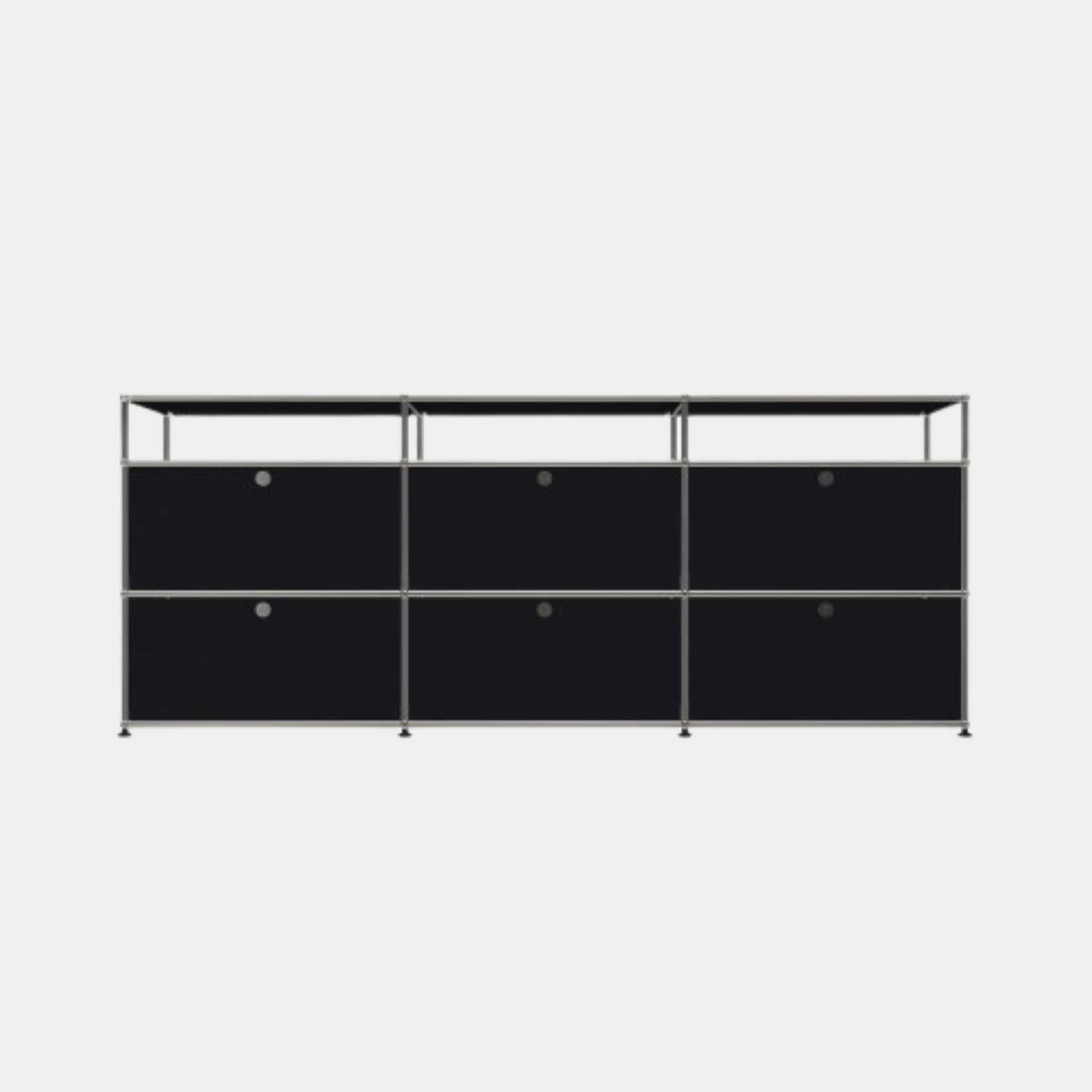
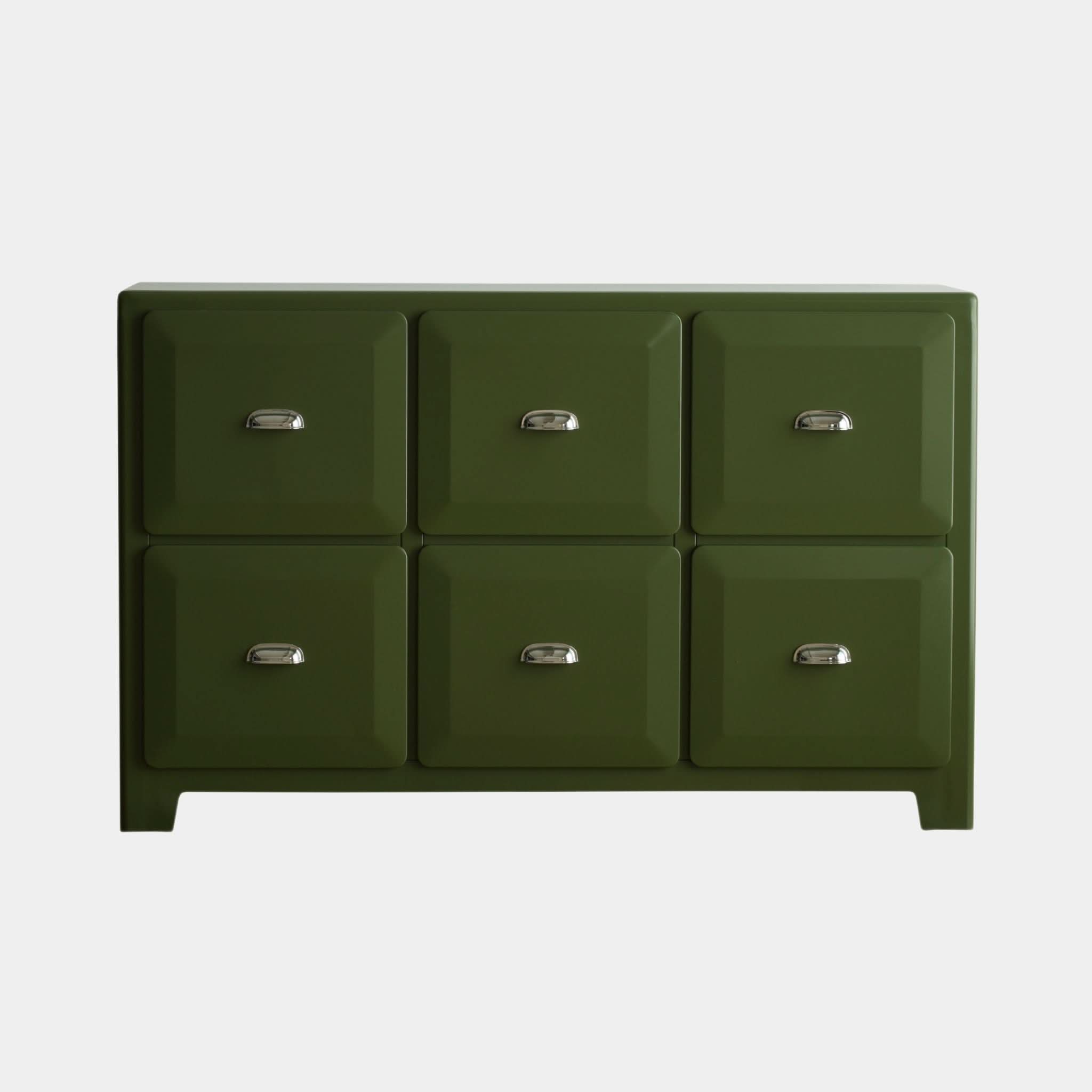
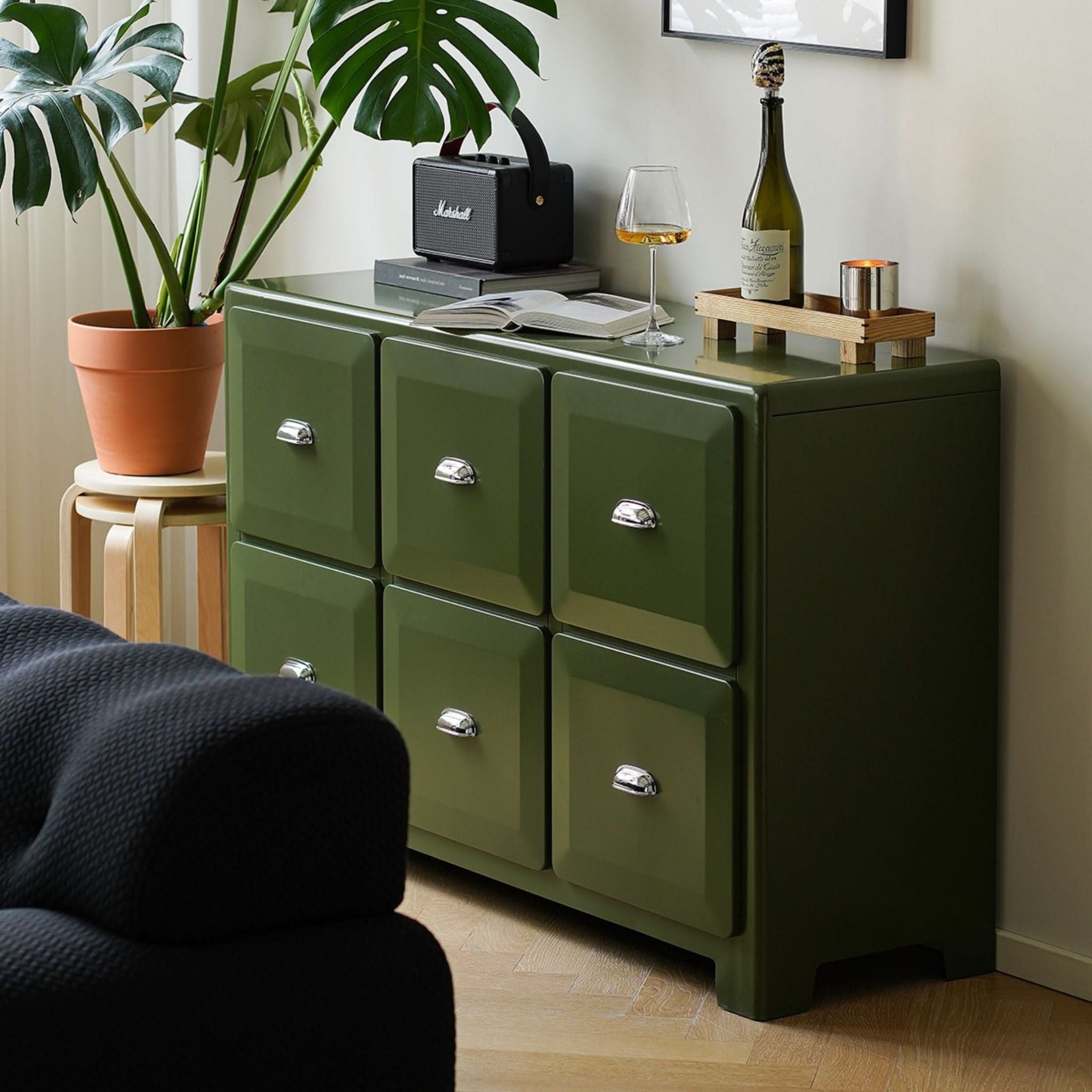
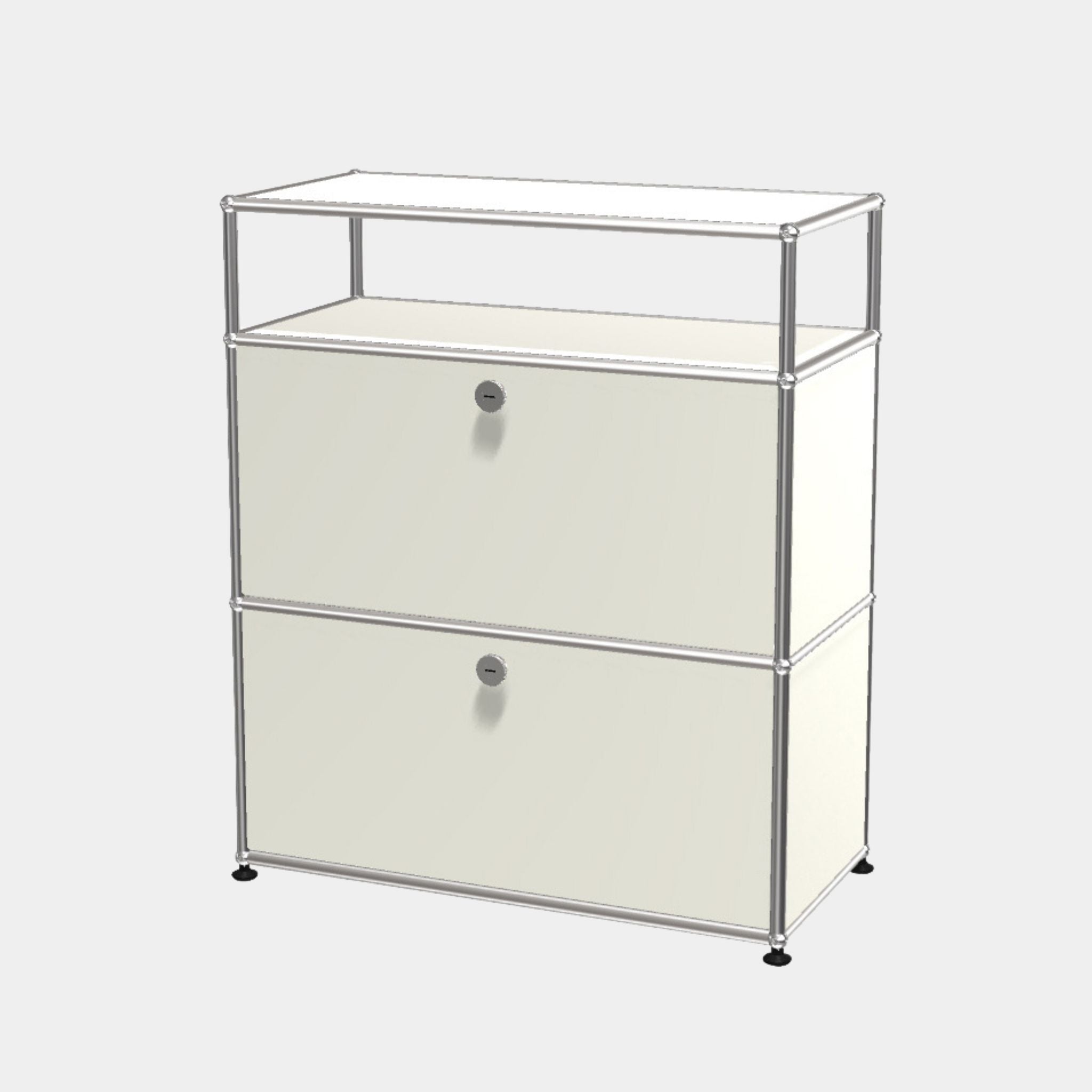
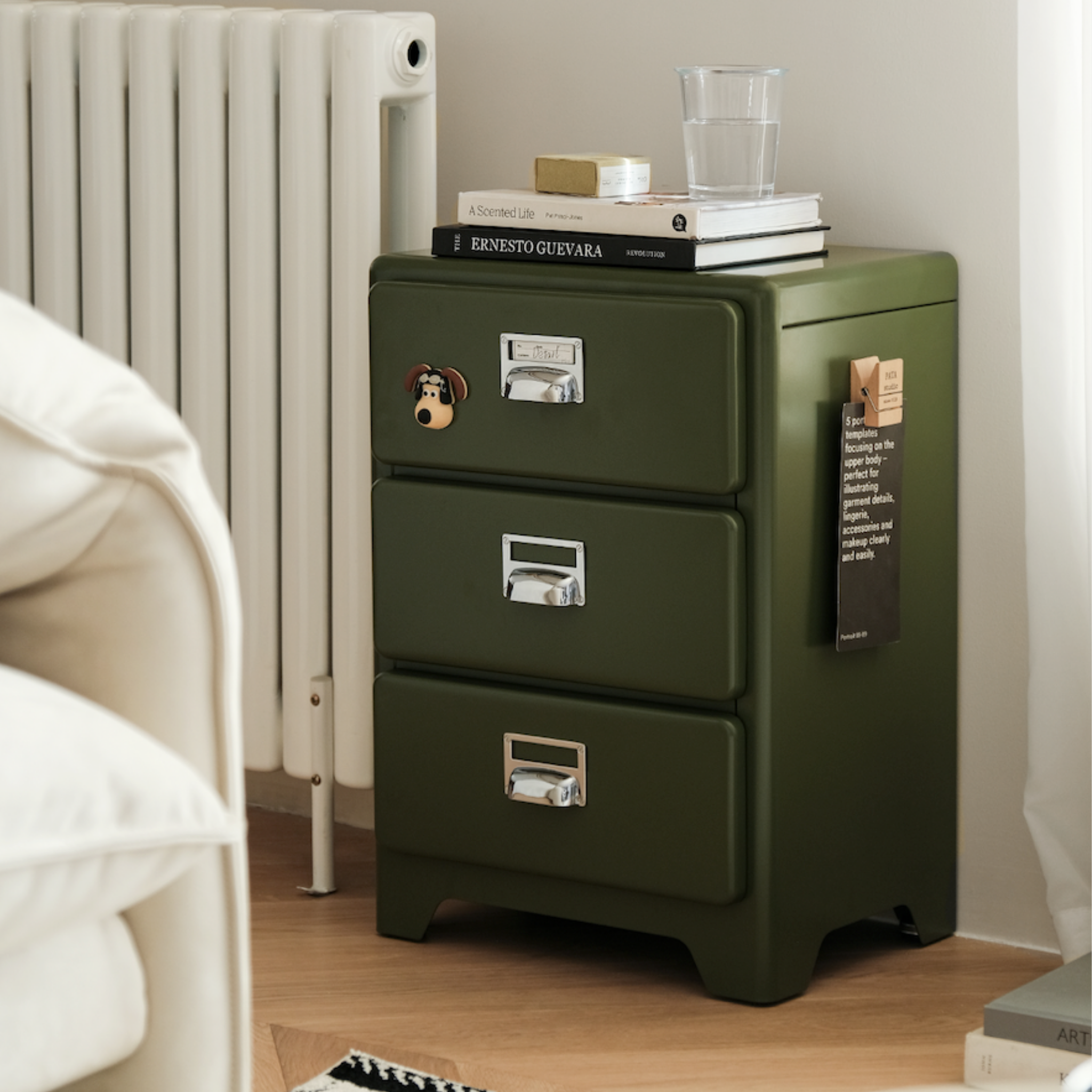
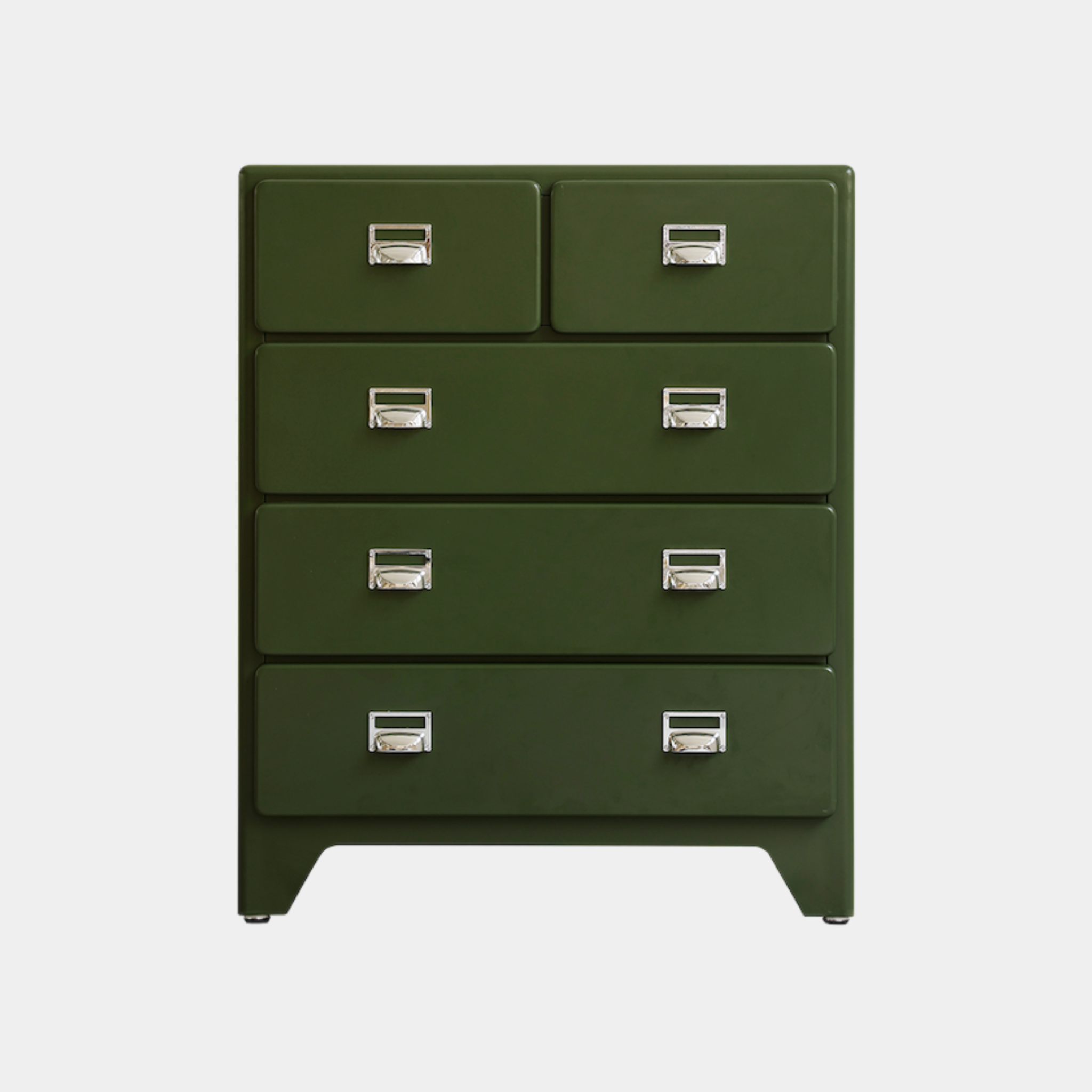
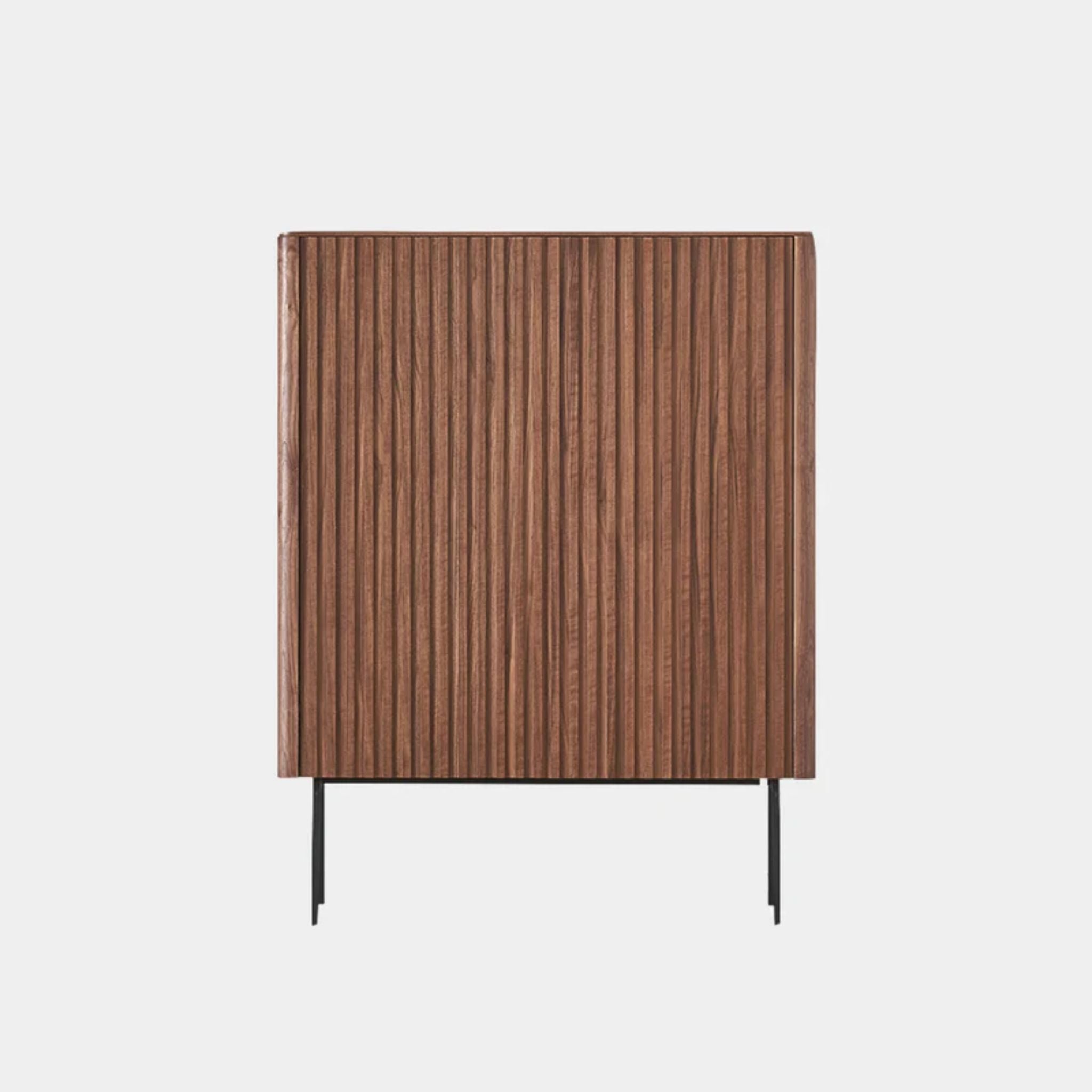
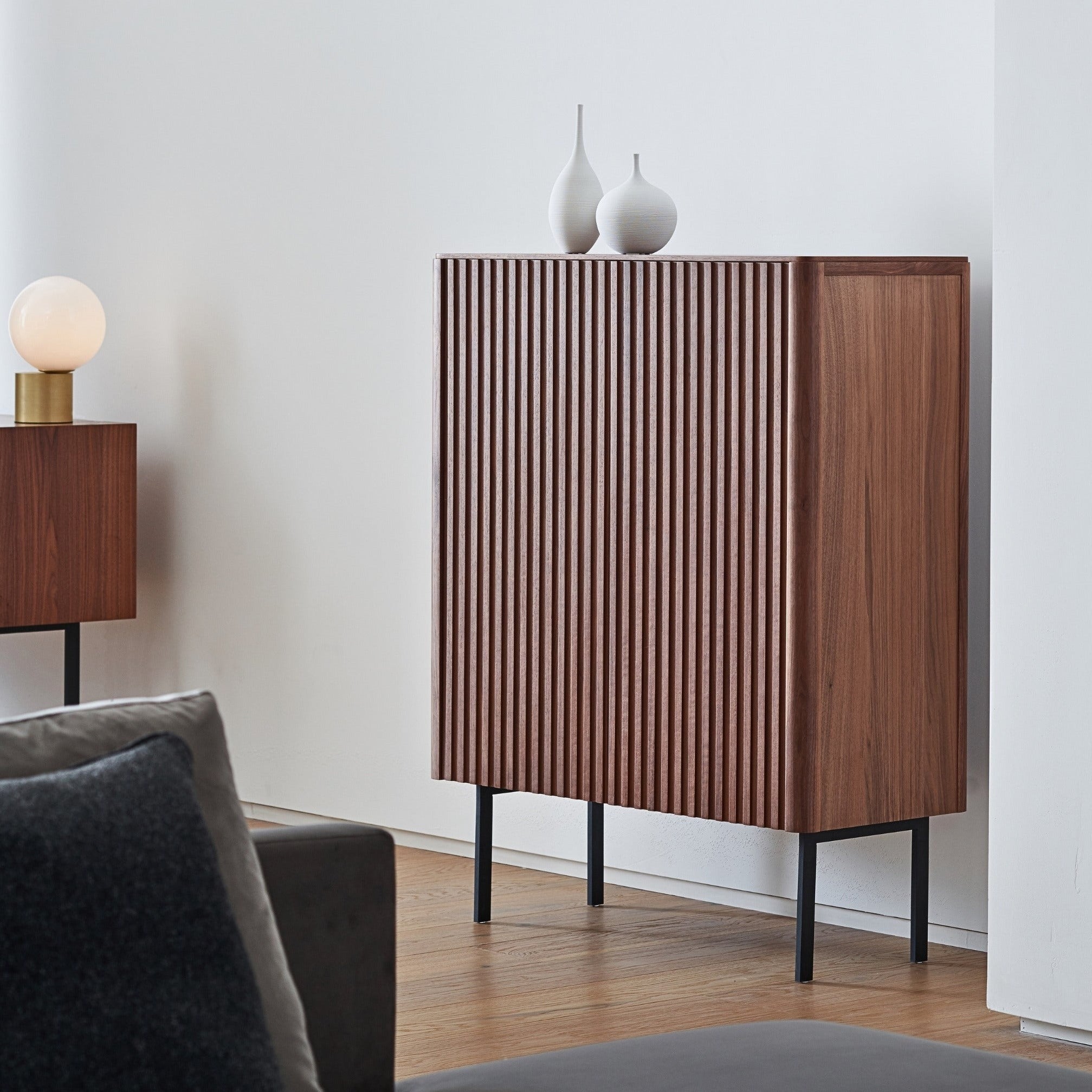
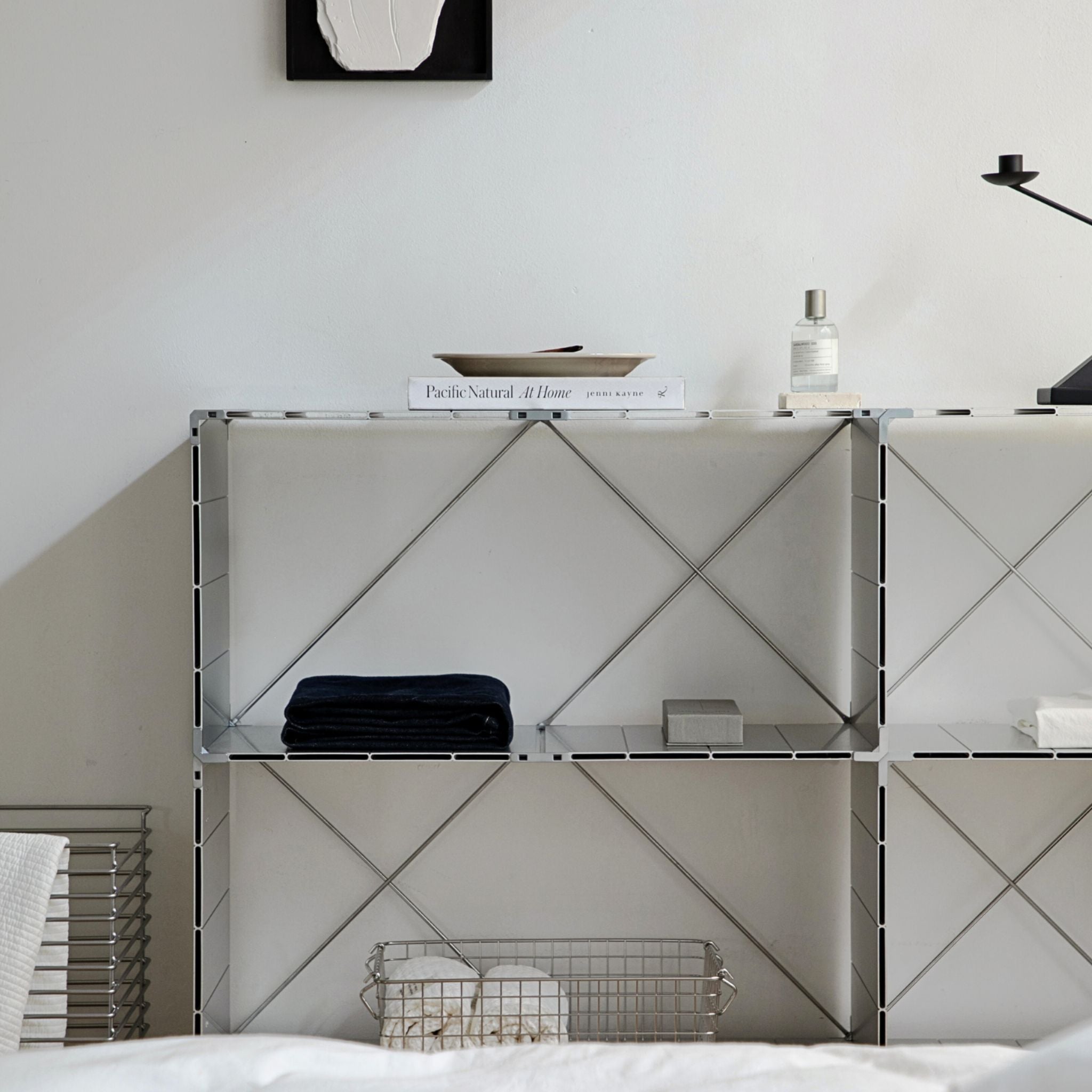
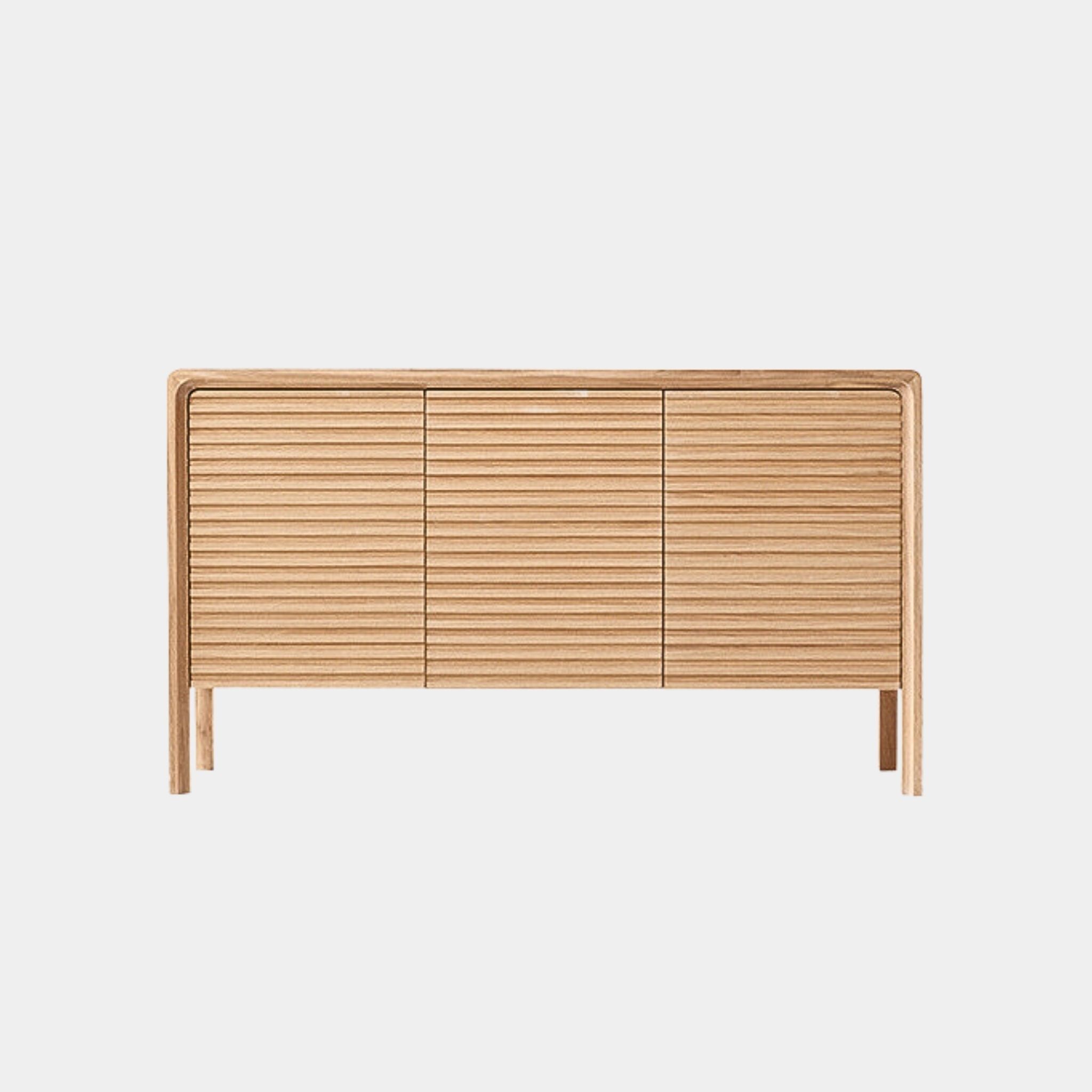
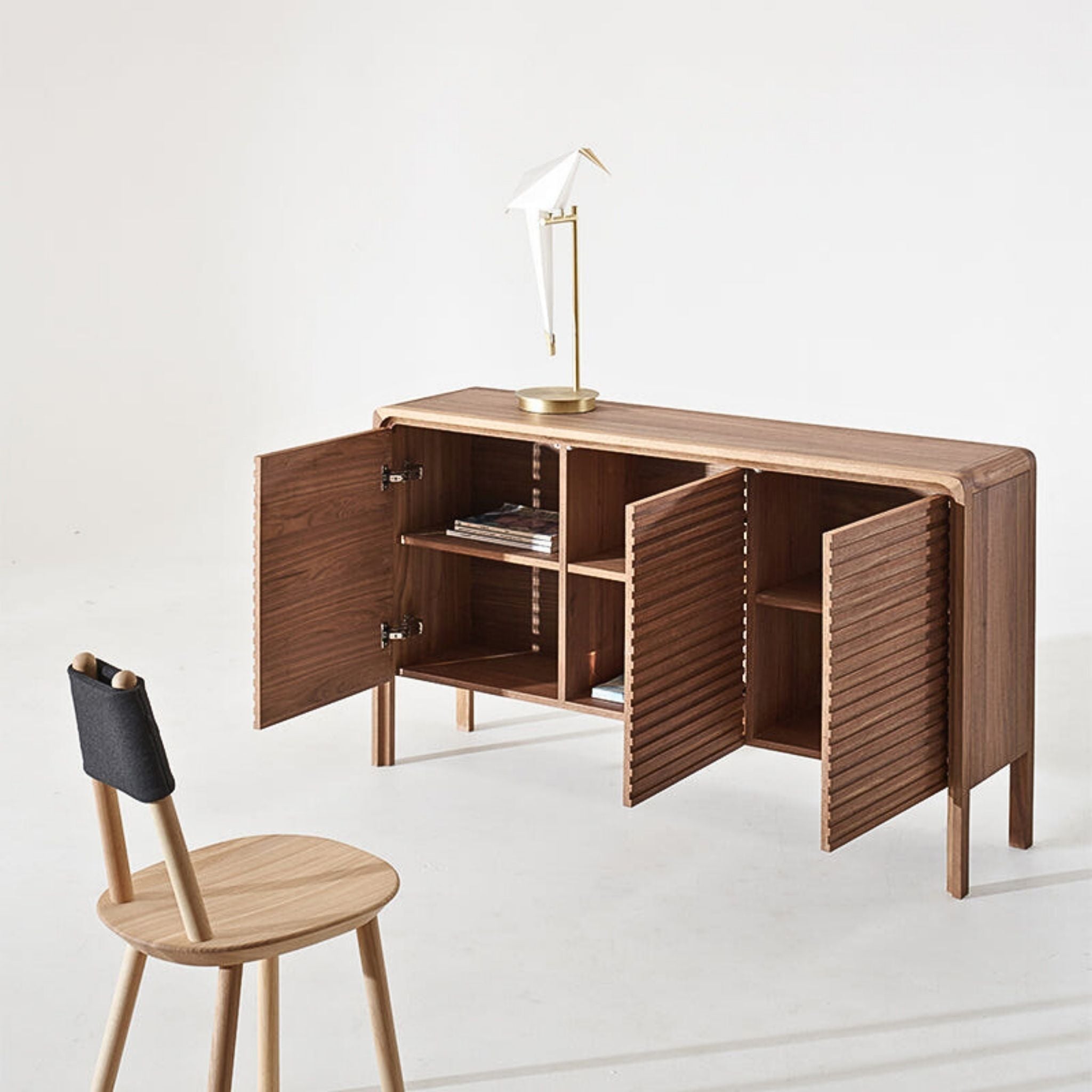
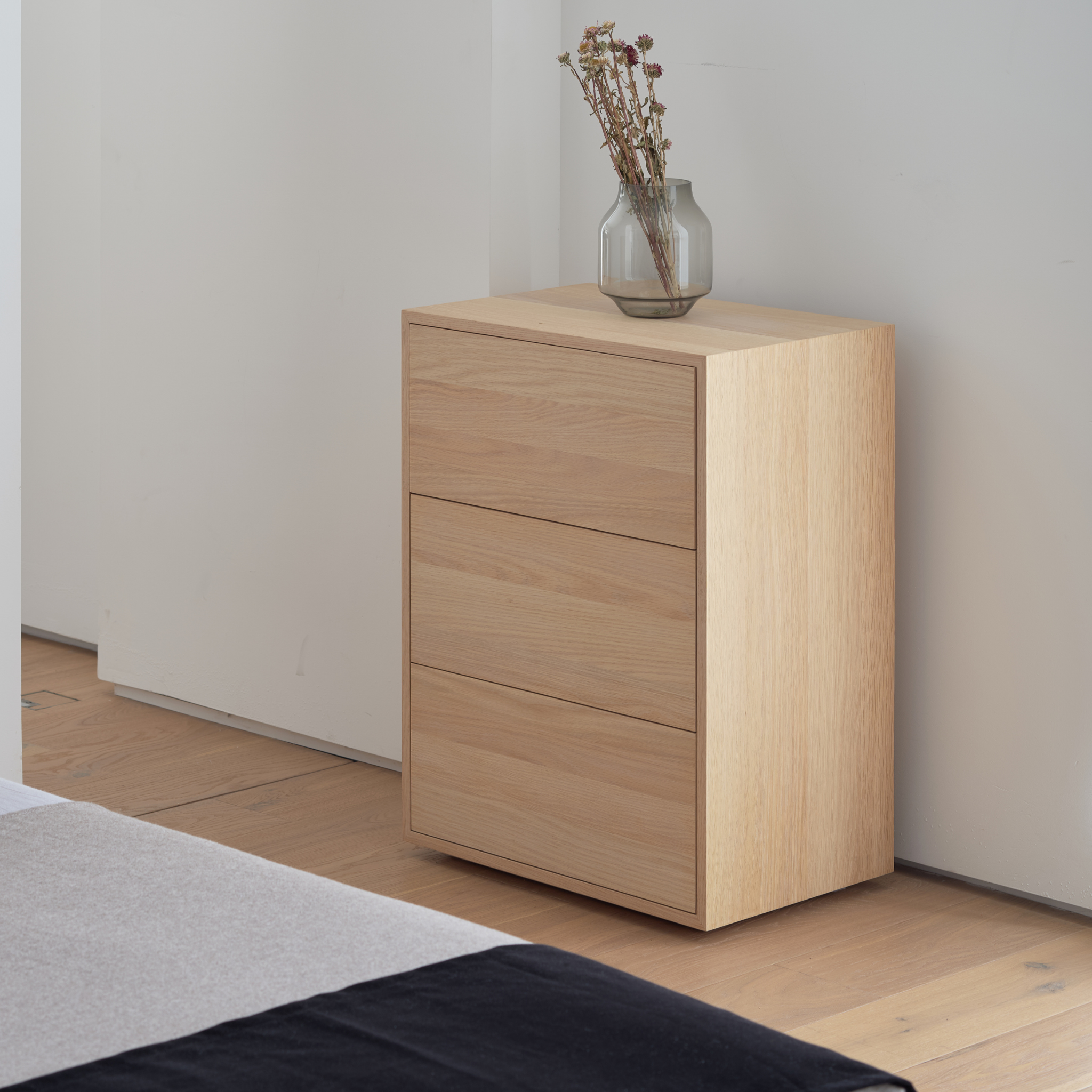
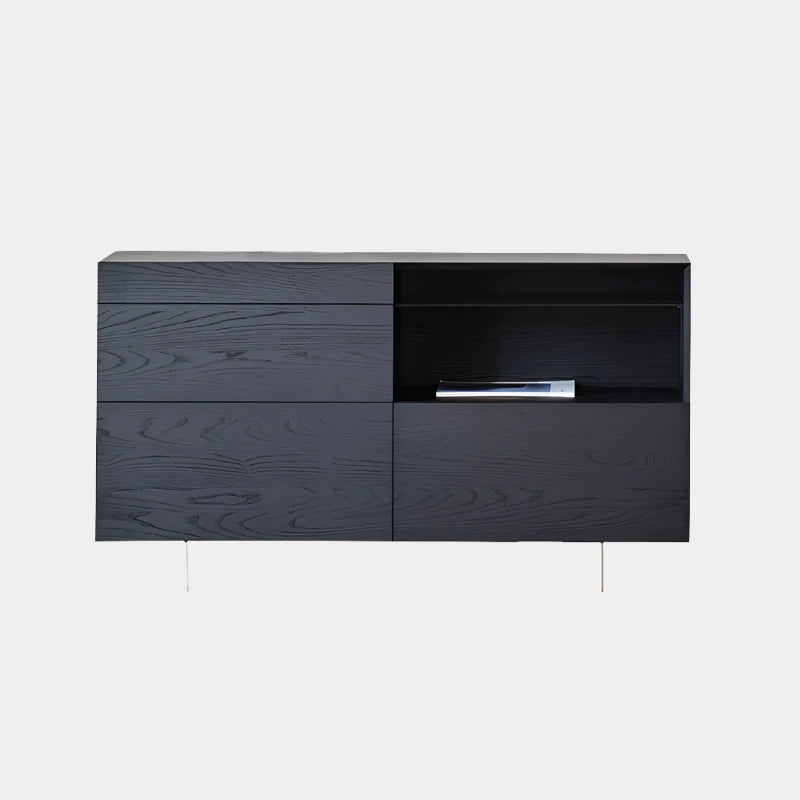
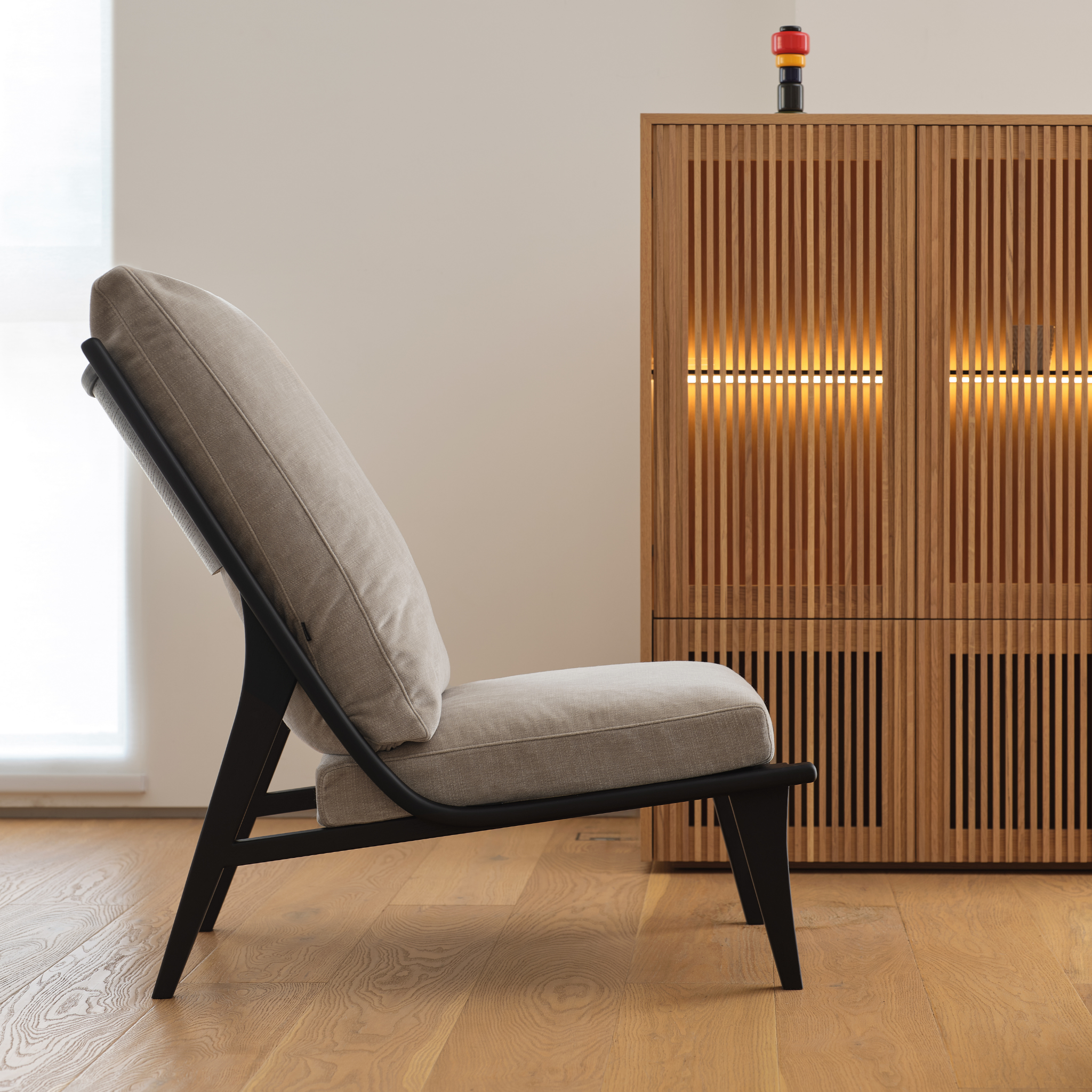
The sideboard range at The Feelter covers three distinct styles, each suited to a different interior context. Mid-century modern sideboards with tapered or splayed legs, low profiles, and walnut or oak finishes draw directly from the defining furniture mid-century movement of the 1950s and 60s. These pieces bring warmth and design history to a dining room or living room wall and pair naturally with the same era’s dining chairs and coffee tables. Contemporary sideboards with fluted door fronts, brushed metal hardware, and a more refined minimal profile suit modern Australian interiors where the sideboard should contribute texture and considered detail without referencing a specific historical period. Sideboard cabinets designed with quality timber joinery and thoughtful proportions occupy the space between these two references, functioning as feature pieces that reward close attention.
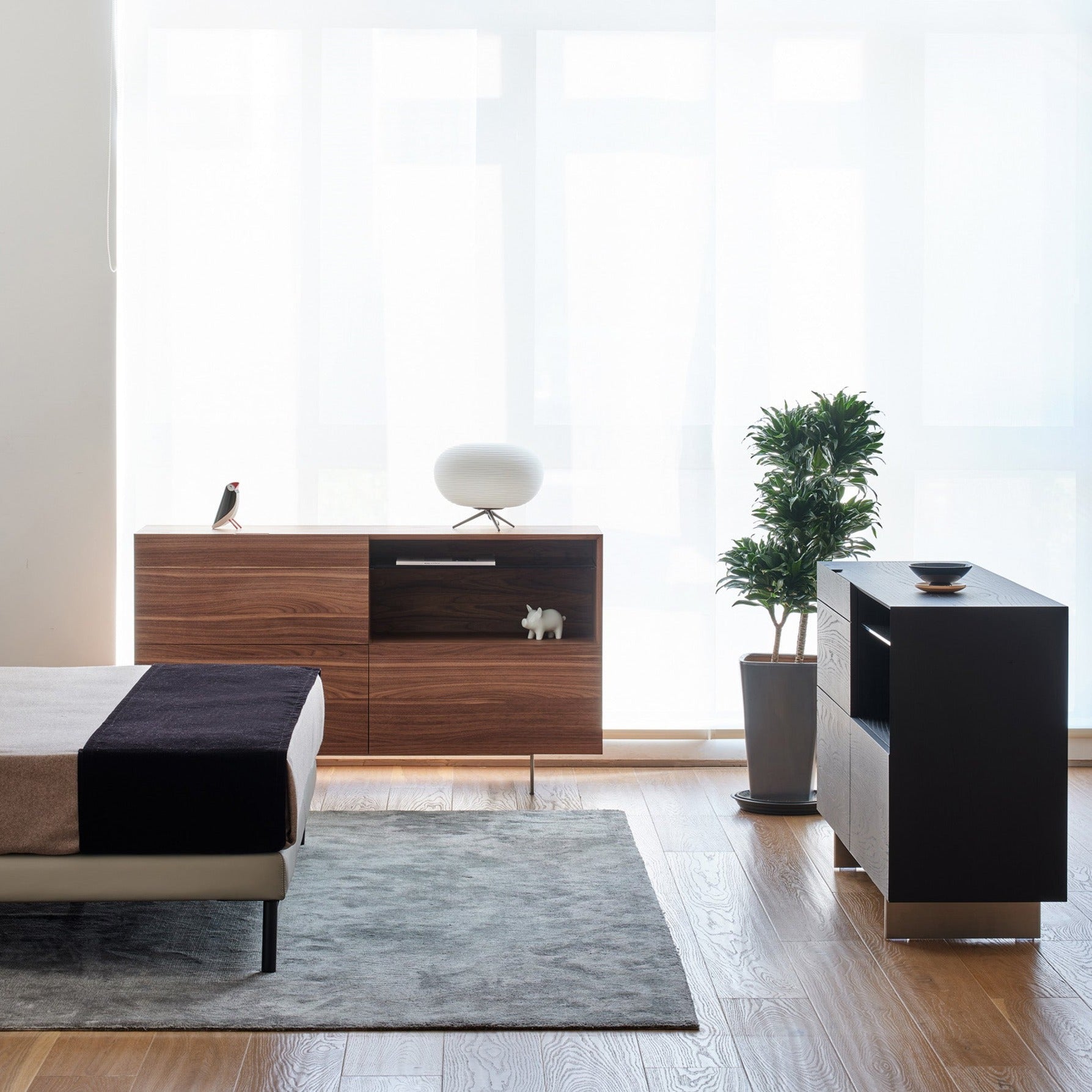
Materials and finishes across the sideboard collection give each piece its character and determine how it sits within a room. Solid timber and high-quality veneer in walnut, oak, and lighter natural tones form the majority of the range, with grain quality and figure varying between models in a way that makes each piece slightly individual. Lacquered and painted finishes in muted neutrals suit rooms where the sideboard should recede and complement rather than compete. Metal leg finishes including brass, black powder-coat, and natural steel affect the overall mood of a piece significantly; brass legs read warmly and suit more layered interiors, while black legs bring a graphic precision suited to more minimal rooms. Pairing a sideboard with the right TV units in the same room requires checking that leg finishes and timber tones carry a consistent reference across both pieces.
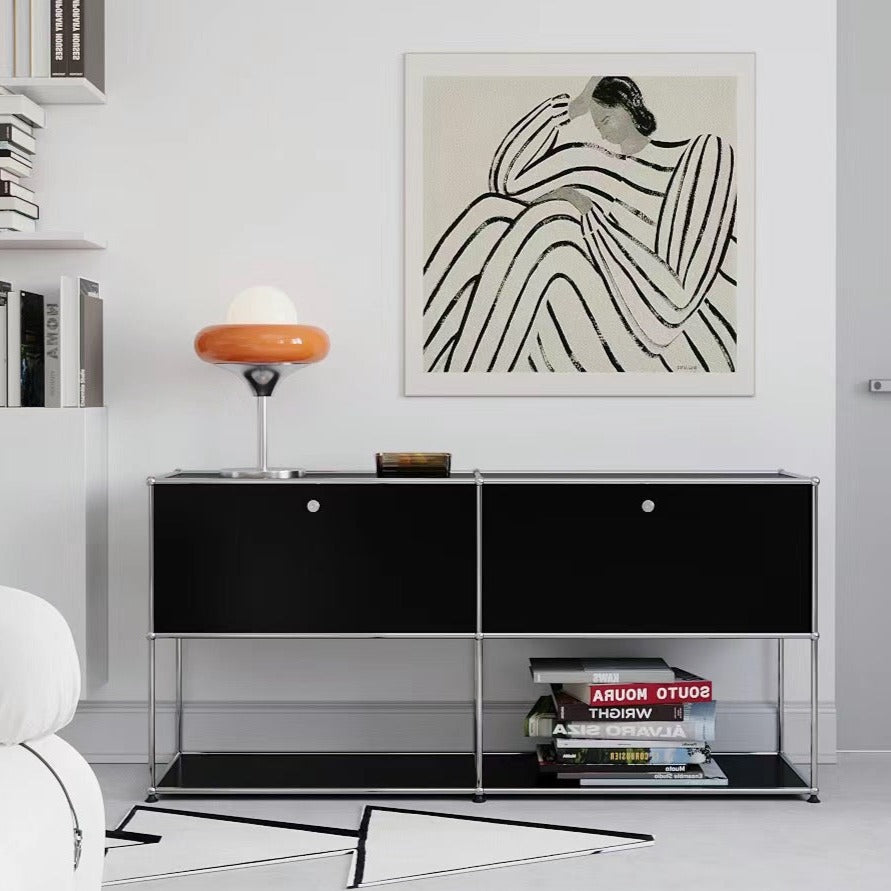
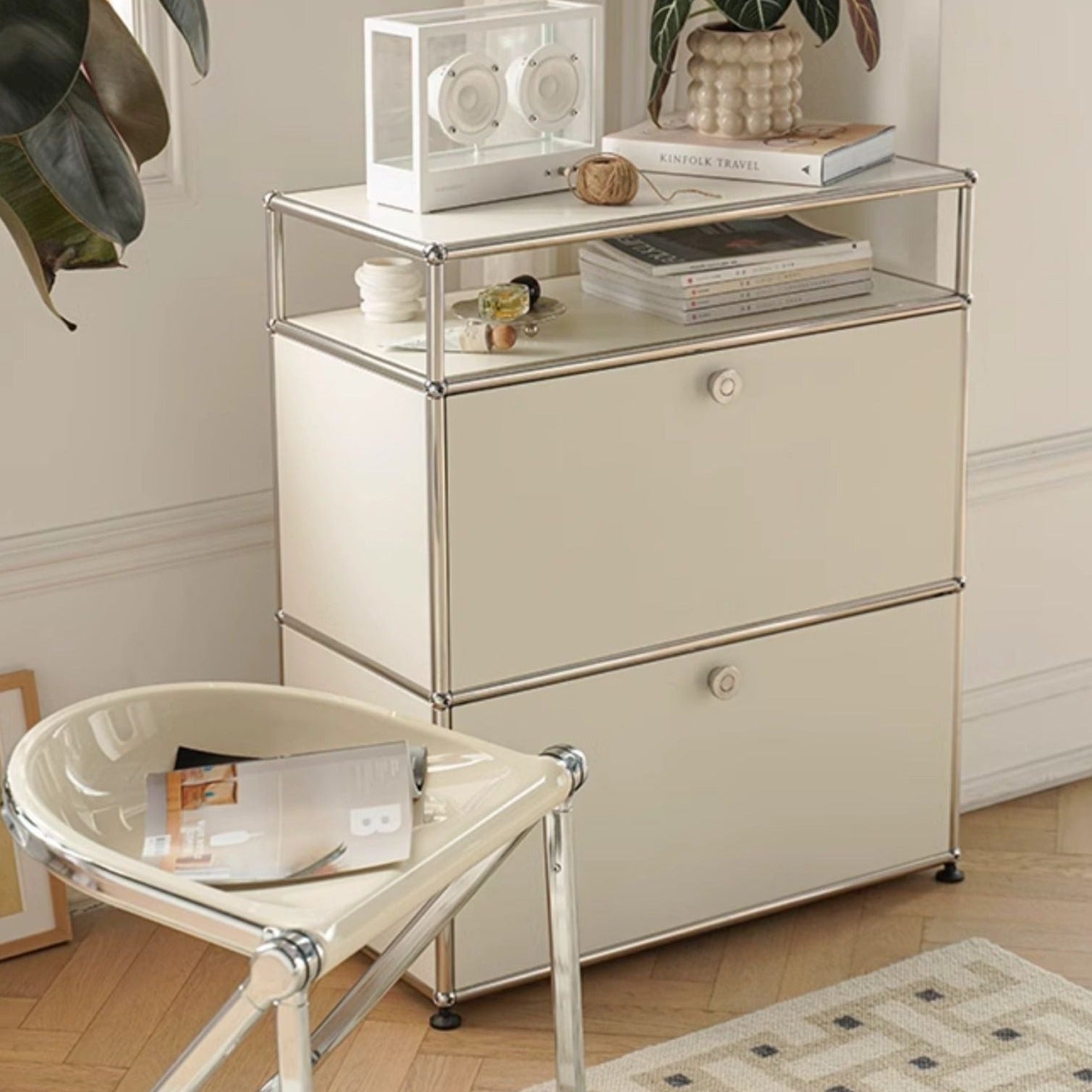
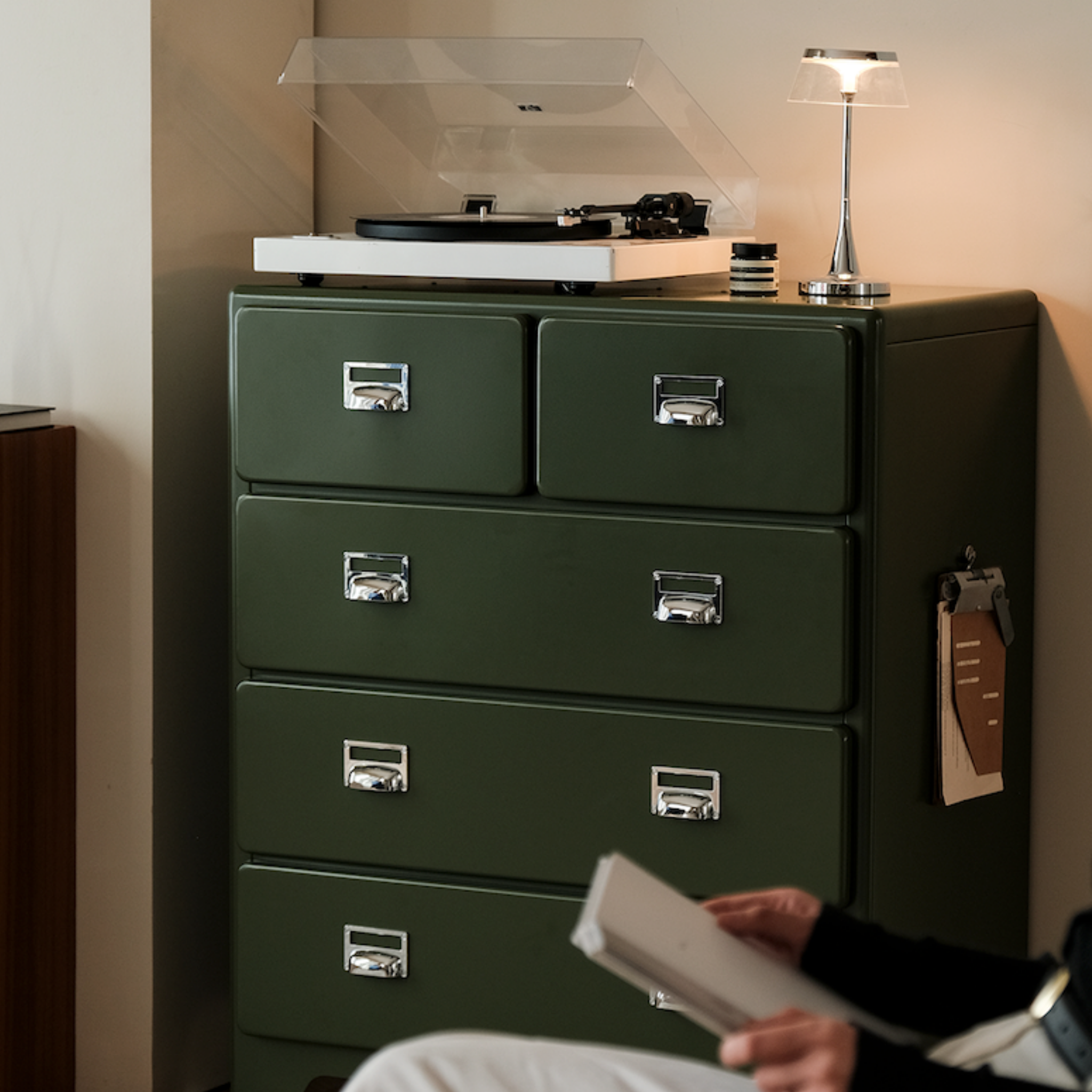
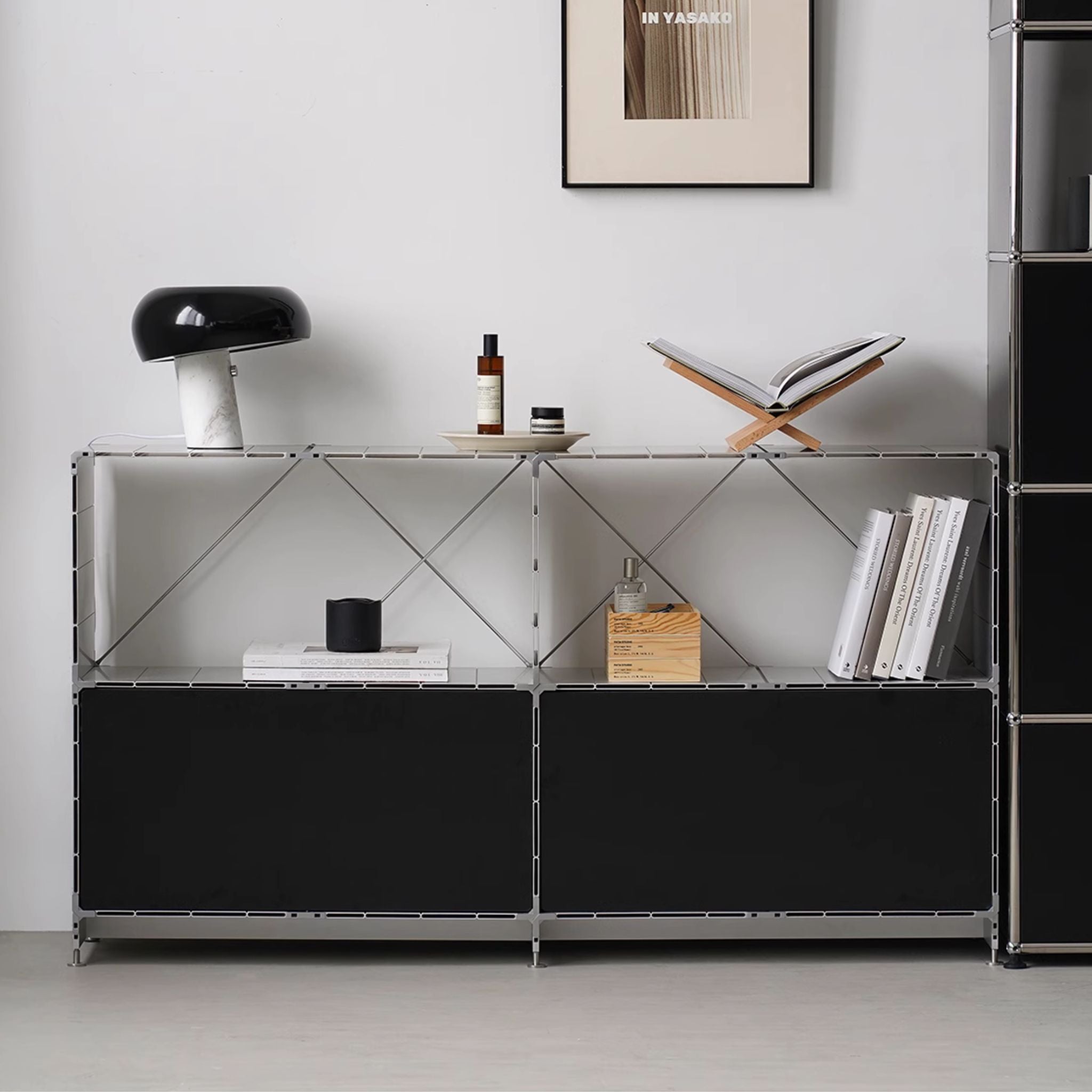
Sizing guidance is worth following carefully for a piece as proportionally significant as a sideboard. In a dining room, a sideboard cabinet works best when it runs to roughly two-thirds the length of the dining table, giving the room a sense of visual balance between the two horizontal pieces. Height should sit between 75 and 90 cm for comfortable serving use and to keep the piece below seated eye level. Beyond the dining room, sideboards work as media console alternatives in living rooms, as hallway statement pieces, and as low-profile bedroom storage solutions. The top surface invites styling with lamps, trays, and art objects: one tall element, one lower grouping, and generous open space is the formula that consistently reads as considered. The Feelter’s Melbourne showroom has key sofas and sideboard pieces on the floor for in-person assessment of joinery quality, drawer action, and timber finish.